



Holiday Tubular Skylight Installation
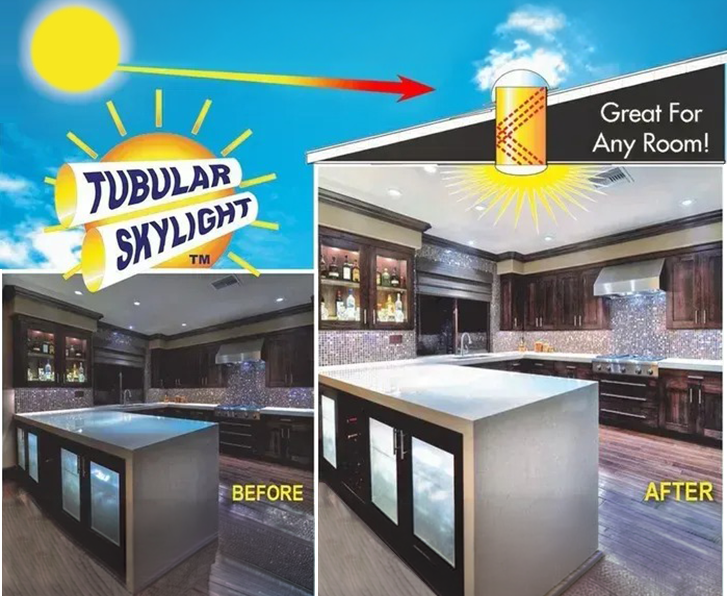
Done right, a tubular skylight turns on daylight in the parts of your home that never seem to get enough of it. You get a bright, even glow in the hallway, bathroom, laundry, closet, or pantry, without opening up the ceiling for a big skylight shaft. Tubular skylight installation in Holiday is about placing the dome and diffuser where they actually work, sealing the roof penetration so it stays dry through heavy rain, and routing the reflective tube so you don't lose light to bends or obstacles.
Our Holiday team installs tubular skylights with a clean, controlled approach. Many straightforward installs are completed in about two hours, and the goal is simple: no drywall repair, no mess left behind, and a finished look that feels like it was always part of the home. Free estimates are available so you can make the call with real information, not guesses.
What a tubular skylight changes inside your Holiday home
A tubular skylight is a small roof-mounted daylighting system that funnels sun through a highly reflective tube to a ceiling diffuser. Because the tube is enclosed, you're not "opening the house to the outdoors" the way a roof window can feel. You're bringing in daylight while keeping the roofline tight, the attic sealed, and the ceiling finish clean.
For many homes in Holiday, the best use is the center of the floor plan where wall windows can't reach. A properly placed tube can make daytime tasks easier and cut down on flipping on lights in spaces you walk through constantly. The light is different than a harsh ceiling fixture. It's fuller, with fewer hard shadows, and it makes paint, tile, and countertops look more natural.
Where the "done right" part shows up is uniform brightness and a diffuser that looks centered and intentional. If the roof dome is placed without thinking about rafters, attic obstructions, or where the light lands, the result is often a dim spot, a diffuser that sits awkwardly off-center, or a tube with extra bends that steal daylight.
How our tubular skylight installation is done
Every roof and attic layout decides how clean the final result will be. Our process focuses on controlling the path from roof to ceiling, then locking down the weatherproofing. We also keep the job tidy so your home doesn't feel like a construction zone.
- Ceiling and room layout check. We start inside: the exact ceiling location, what the room needs from the light, and where the diffuser will look right. We also look for nearby fixtures, vents, or ceiling fans so the diffuser doesn't compete with them.
- Attic path planning. The best tube run is short and straight. In the attic we map a route around trusses, HVAC runs, plumbing vents, wiring, and ductwork. Less bending means more usable daylight at the diffuser.
- Roof placement and cutout. We set the roof opening to match the planned tube path and avoid structural members. The roof deck cut is done cleanly, with the opening sized for the system so the flashing seats correctly.
- Flashing and dome installation. This is the "keep it dry" step. We install the flashing system so it integrates with the roofing material and slope, then secure the dome assembly. We use dual flexible flashing systems designed to conform and seal where roofs aren't perfectly uniform.
- Reflective tube assembly. The tube is built and sealed so the reflective surface stays clean and continuous. We use 99% reflective silver-lined solar tubes to move as much daylight as possible from roof to ceiling.
- Ceiling diffuser fit and finish. The diffuser gets mounted square and tight to the ceiling plane. This is where small alignment errors show up, so we take the time to make it look crisp from across the room.
- Seal check, water-shedding check, cleanup. We confirm the roof penetration is sealed and water-shedding, then clean up the work area. "Quick & clean installs" only counts if your floors and surfaces look the same after we leave as they did before we arrived.
Since 1994, our work has included demanding environments like NASA's Kennedy Space Center, Oak Ridge National Laboratory, and Fort McHenry. That kind of experience matters on a tubular skylight because you're making a roof penetration, and the details around fastening, flashing, and sealing are what separate a bright upgrade from a leak risk. Your installation also comes with a 10 Year Product Warranty and a 3 Year Install Warranty.
Choosing the right system for your roof and the light you want
Tubular skylights are not one-size-fits-all. We offer 50+ product combinations, and the right match depends on your roof type, ceiling height, attic space, and what you want the room to feel like at midday.
- Tube length and bends. Longer runs and extra elbows reduce light output. If the attic layout forces bends, we plan the path to keep angles efficient and brightness consistent.
- Diffuser style and light spread. The diffuser affects how the room feels. Some spaces need a broader spread to avoid a "spotlight" effect, especially in narrow halls and small baths.
- Flashing compatibility. The roof is the deal-breaker if the flashing is wrong. We match the flashing approach to the roofing surface and slope so the system sheds water instead of trapping it.
- Sunlight dimming capabilities. If you love daylight but don't want full intensity at certain times, a dimming option gives you control without giving up the benefit of natural light the rest of the day.
We'll talk through the tradeoffs in plain language during your free estimate. If a space will stay underwhelming because the tube run is too long or too obstructed, we'll say so and help you pick a location where the system will perform.
Installation constraints we plan for on Holiday homes
Most of the problems people associate with skylights come from ignoring constraints that are visible before the first cut. Tubular skylights are smaller and easier to route than traditional skylights, but they still demand careful planning. Here's what we look for on Holiday installations.
- Wind-driven rain and roof drainage. In strong storms, water doesn't just fall straight down. Flashing has to be seated and lapped correctly so water flows past the unit instead of pushing under edges.
- Low-slope areas and roof transitions. Some roof sections shed water more slowly. We avoid placements that sit in drainage paths or near transitions that concentrate runoff.
- Attic heat and moisture. A tube passes through the attic, so the seals and connections must be tight. A sloppy connection can invite condensation issues that show up as fogging or dripping at the diffuser.
- Obstacles between roof and ceiling. Trusses, ducts, and plumbing vents can force awkward tube paths. We plan around them before committing to a ceiling location, so you don't end up with a dim install or an off-center diffuser.
- Roofing material details. Different roofs accept flashing differently. The installation must integrate with the roof surface so the unit stays stable and watertight through seasonal expansion, sun exposure, and weather.
If you're replacing an older tubular skylight, we also check for hidden issues around the existing opening: soft decking, previous sealant patches, or flashing that never matched the roof in the first place. Fixing the underlying detail matters more than simply swapping parts.
FAQ about tubular skylights in Holiday
How long does a typical tubular skylight installation take?
Many standard installs are completed in about two hours when the attic path is straightforward and the roof conditions are clean. If the route needs extra planning around obstructions, or if the roof requires special handling at the opening, it can take longer. We'll set expectations during the estimate.
Will you need to cut and repair drywall in my ceiling?
In most installs, no. The diffuser opening is sized and finished as part of the system, so there's typically no drywall repair and no ceiling patchwork. The goal is a clean round finish that looks intentional.
Where should a tubular skylight go for the best light?
The best spot is where the ceiling location, attic route, and roof placement all line up. A straight, short tube run usually gives the brightest result, so we choose the ceiling position with the attic path in mind, not just what looks centered in the room.
Can I control the brightness if the sun is too intense?
Yes. Sunlight dimming capabilities are available, which is especially helpful for spaces like bathrooms or kitchens where you want daylight but not full intensity all day.
What keeps the roof opening from leaking over time?
It comes down to correct flashing integration, solid fastening, and sealed connections from dome to tube. We use dual flexible flashing systems designed to conform and seal, and our work is backed by a 10 Year Product Warranty and a 3 Year Install Warranty.
If you want natural light without turning your roof into a major renovation, a tubular skylight is one of the cleanest upgrades you can make. Tell us which rooms in Holiday feel dark during the day, and we'll recommend a placement that fits the roof, the attic, and the way you actually use the space. You can request a free estimate, and we'll walk you through the options that will perform well in your home.

